
Best Reflective Window Film for Privacy (2026) — What Actually Works
If you want privacy during the day without closing your blinds or giving up natural light, reflective window film is one of the most effective solutions available. The problem is that most listings on Amazon look nearly identical: same mirror finish, same promises, same stock photos, but how well they actually perform varies significantly from one product to the next.
There is also a question almost every buyer has before purchasing: does it work at night? The short answer is no, not in the way most people expect. We explain exactly why below, so you know what you are getting before you spend a dollar.
In this guide, we have compared four of the best reflective window films for home privacy; covering daytime performance, heat reduction, installation ease, and which situations each one is genuinely suited for.
As an Amazon Associate, we may earn a small commission if you purchase through links on this page — at no additional cost to you.
How Does Reflective Window Film Actually Work?
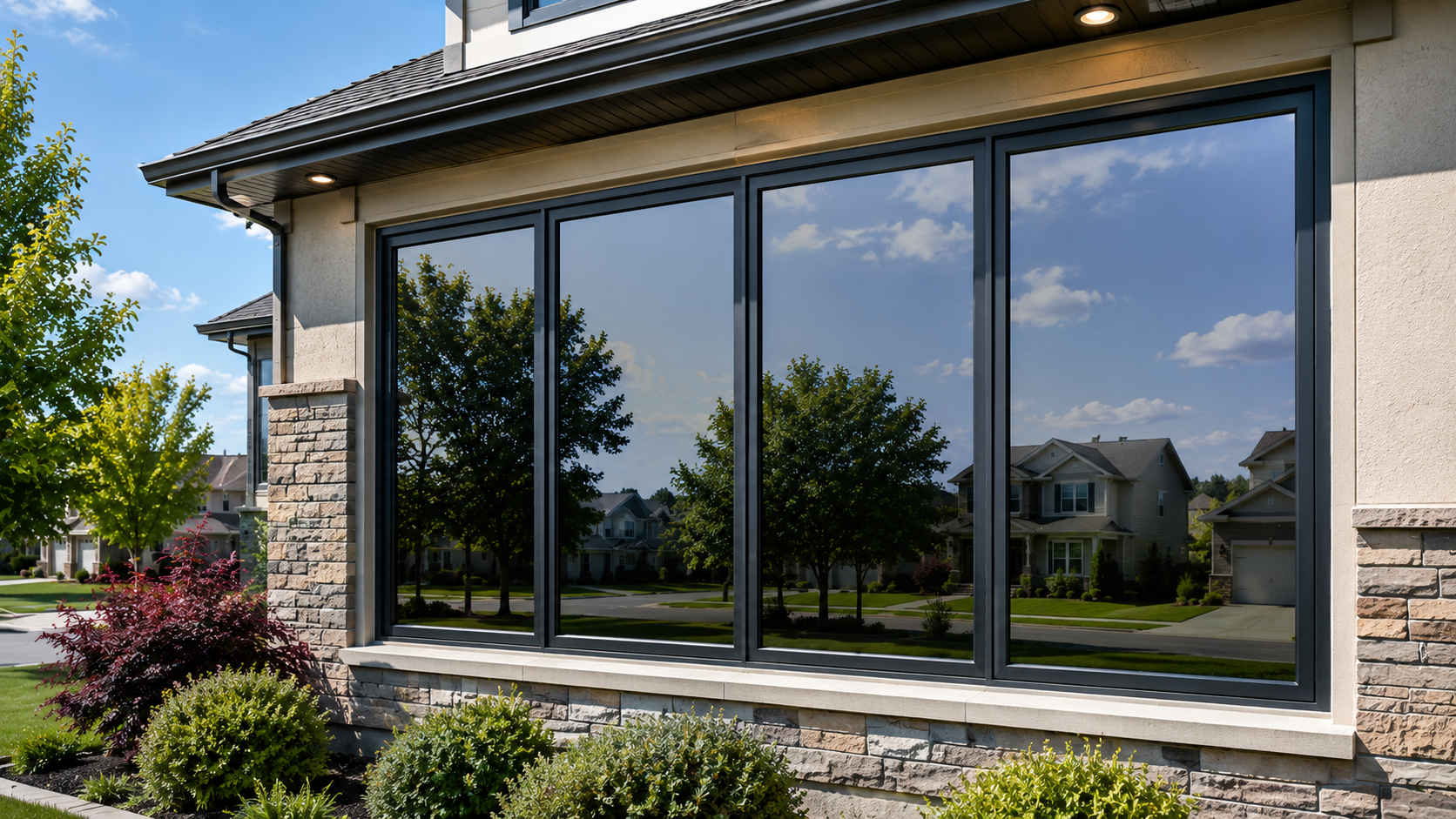
Reflective window film works on a simple principle: light travels from brighter to darker. During the day, sunlight outside is far stronger than your interior lighting. The film’s mirrored surface reflects that bright exterior light back outward, making it nearly impossible for anyone outside to see in. From inside, you can still see out clearly. The view looks slightly tinted, similar to wearing sunglasses indoors, but your sightline remains unobstructed.
The keyword is daytime. Once the sun goes down and you switch on your interior lights, the equation reverses, and so does the privacy.
Does it work at Night? THE HONEST Answer
This is the most common misunderstanding about reflective film, and it is worth being direct about it. Reflective window film does not provide privacy at night when your interior lights are on. This may surprise first-time buyers, but that’s completely normal.
Here is why: the mirror effect depends entirely on the outside being brighter than the inside. After dark, with your lights on, the interior becomes the brighter side. The effect reverses completely; people outside can see in clearly, while you see mostly your own reflection looking back at you.
This is not a flaw specific to certain brands. It is how all the reflective films work, regardless of price or quality. If you need around-the-clock privacy, a frosted or blackout film is the right choice instead. Reflective film is a daytime privacy solution, and the four products below are reviewed with that clearly in mind. You can see our full guide to window film types here: Best Window Films for Home article
Our Top 4 Picks at a Glance
|
Product
|
Type |
UV Block |
Heat Rejection |
Dual-Pane Safety |
Best For |
|---|---|---|---|---|---|
|
Static Cling |
90% |
82% |
No |
Best Overall |
|
|
Static Cling |
90% |
82% |
No |
Best Daytime Privacy |
|
|
Adhesive |
99% |
80% |
Yes |
Best Premium |
|
|
Static Cling |
90% |
90% |
No |
Best for Renters |
Best OVERALL
KESPEN Window Privacy Film
Pros
Cons
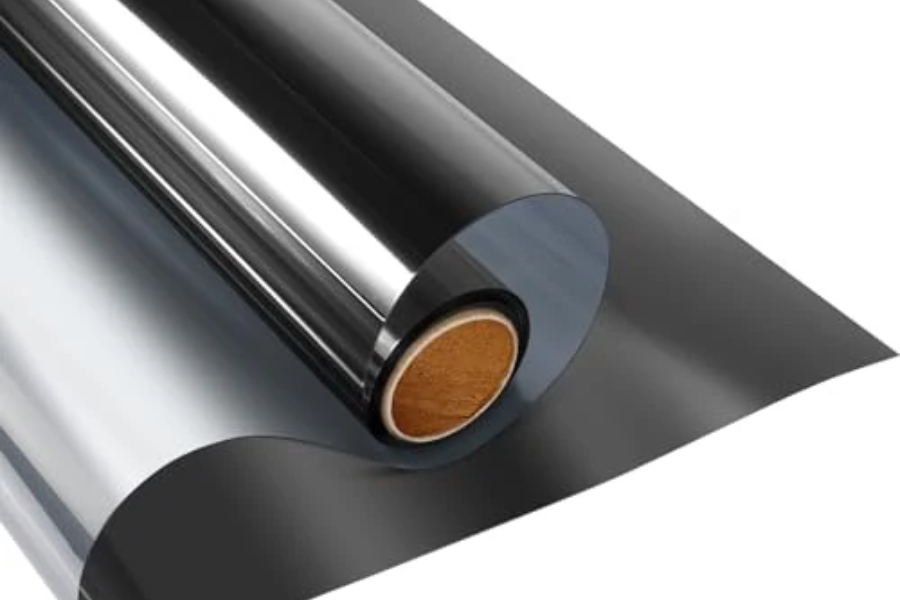
KESPEN is a reliable all-around performer that delivers on the two things most buyers want from reflective film: daytime privacy and effective heat reduction. From the outside, the window takes on a genuine mirror finish during daylight hours, making it extremely difficult to see inside while natural light is stronger than interior lighting. In warm climates with significant sun exposure, the heat reduction is substantial enough that energy savings over a summer can offset the cost of the film entirely.
Installation is manageable for a first-timer, though a second person helps considerably on larger windows. If this is your first time installing the film, don’t rush it. The film is thicker than standard window tint, which makes it more durable but requires a sharp utility knife and a metal straight edge for clean cuts. Scissors will not produce a neat edge on material this thick. One issue worth knowing before you buy is that the last portion of the roll tends to curl tightly due to narrow cardboard tube it is wound on, making the final few feet difficult to work with. Measure carefully and do not count on the last foot or two being fully usable.
Two limitations apply regardless of installation quality. Privacy disappears at night once interior lights are on. This is a characteristic of all reflective films, not specific to KESPEN. And this film is not compatible with double-pane windows, where absorbed heat trapped between the panes can stress the window seal over time.
Get it now on Amazon
Best For Daytime Privacy
STATINT Privacy Window Film
Pros
Cons
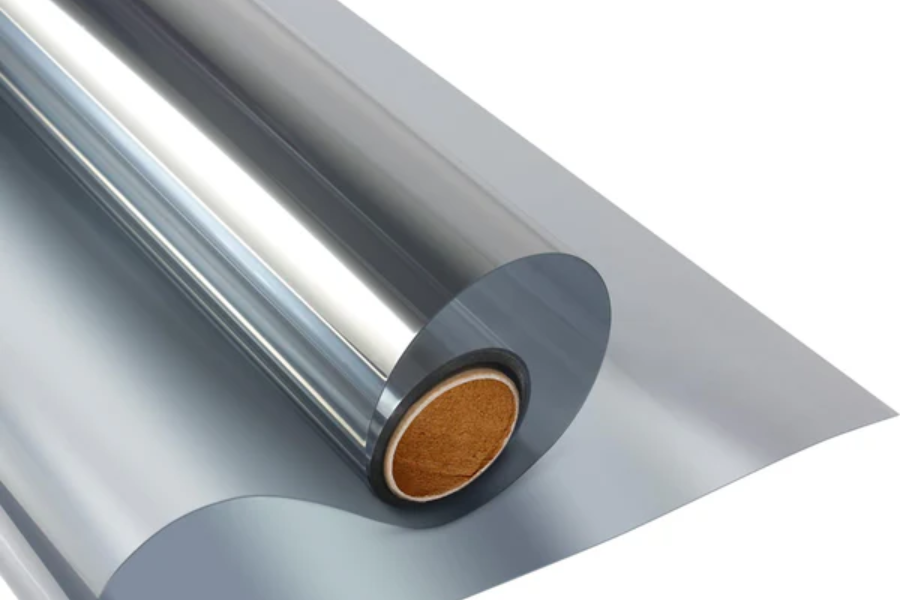
STATINT stands out for how completely it blocks outside views during the day. The daytime mirror effect is strong enough that people and animals outside the window register no visible movement inside — useful not just for human privacy but for pets that react to street activity through the glass. Beyond privacy, the film offers genuine heat and light filtering, with rooms feeling immediately cooler after installation and with previously harsh incoming glare significantly reduced.
A secondary benefit worth noting: the film adds a degree of shatter resistance to the glass, helping hold broken pieces together rather than scatter them, a meaningful safety consideration for ground-floor windows facing a street or a yard with regular foot traffic.
Being static cling rather than adhesive, STATINT is a practical choice for renters or anyone who may need to remove it later. It peels off cleanly with no residue on the glass. One thing to prepare for during installation: the static surface attracts pet hair and dust easily before it makes contact with the glass, so work in a clean space and handle the film from the edges only. The included squeegee is functional but basic — for windows larger than a standard bedroom pane, a better-quality squeegee from a hardware store will make the job noticeably smoother.
Get it now on Amazon
Best Premium pick
BDF S05 Window Film
Pros
Cons
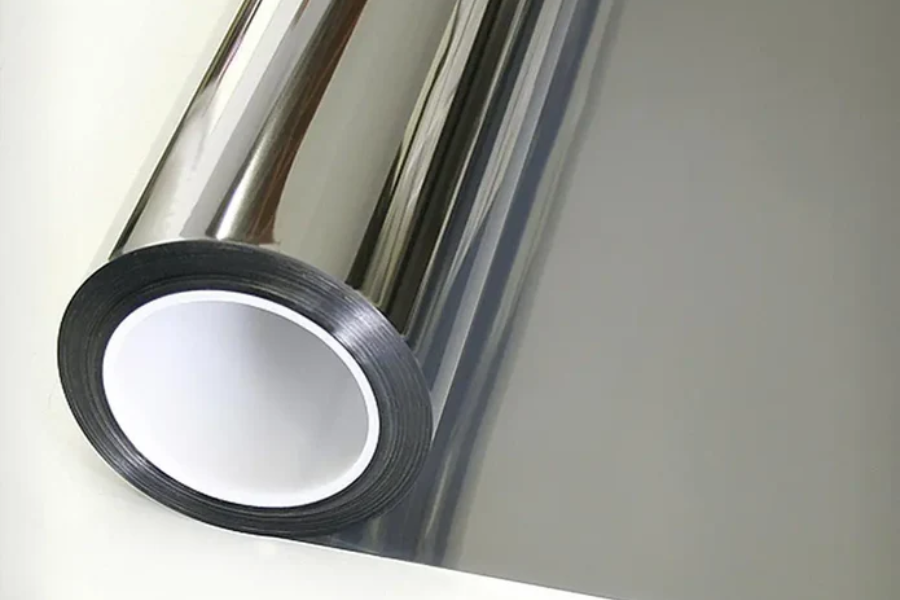
BDF S05 earns its premium position through one main differentiator that separates it from most reflective films available: it is specifically rated safe for double-pane windows. Most reflective films absorb enough heat that it becomes trapped in the sealed space between two panes, stressing the seal over time and eventually causing permanent fogging or cracking.
BDF S05’s low heat absorption design avoids this problem entirely, making it the only option on this list that works without reservation on modern insulated double-pane glass, which rules out the competition for a large portion of homeowners.
Daytime privacy performance is strong across typical residential situations. The film performs particularly well on windows with a direct sightline from a neighbour’s property or a street, where the mirror exterior creates a clean visual barrier throughout daylight hours. It does not darken the room as heavily as the darkest tinted alternatives — the interior view is closer to looking out on an overcast day than through dark sunglasses, which means more natural light is retained, at the cost of a slightly softer privacy effect compared to the most opaque options on the market.
One interior behaviour to be aware of is that when indoor lights are on, the film creates a noticeable mirror reflection on the inside face of the glass. Switching off interior lights resolves this immediately and restores a clear outward view. Installation is straightforward but benefits from two people on windows wider than a standard single pane.
Get it now on Amazon
Best For Renters
COAVAS Static Cling Window Film
Pros
Cons
COAVAS Static Cling is the most practical choice for renters or anyone who wants the option to remove the film cleanly when the time comes. It goes up without glue and comes down without leaving any residue on the glass and unlike most films, it is reusable after removal. For anyone in a rental property where permanent window modifications are not permitted, this is the detail that makes it the right choice over every adhesive alternative on this list.
Daytime privacy performance is solid. The film blocks outside views effectively with a moderate darkening effect, enough to make the interior invisible from the street during daylight hours without making the room feel noticeably dim. In rooms that receive heavy direct sun, the temperature difference after installation is immediate. South- and west-facing rooms in particular see the strongest results. Long-term durability holds up well when installation is done carefully, with no lifting or wrinkling at the edges over extended periods under normal conditions.
The main challenge is the installation itself. Bubble formation during application is most commonly reported difficulty, and static cling is less forgiving than adhesive when it’s about repositioning. Working slowly from the centre outward, using generous amounts of soapy water, and having a proper squeegee on hand before you start makes a significant difference to the final result. Note that no tools are included in the package. Budget for a basic window film installation kit separately.
Get it now on Amazon
How to Choose the Right Reflective Window Film
Does tint color affect privacy and heat performance?
Yes, meaningfully. Silver and black-silver variations perform best for both privacy and heat rejection. Silver gives a classic mirror finish from outside while keeping the interior relatively bright. Black-silver provides stronger privacy and slightly more heat blocking, with a moderate darkening effect on the interior. For most home situations — street-facing windows, living rooms, bedrooms with direct afternoon sun- black-silver is the more effective choice. Colored variations like blue, gold, or bronze offer a decorative appearance but sacrifice the privacy and heat performance that make reflective film worth buying. If privacy is the goal, stick with silver or black-silver.
Static cling vs adhesive — which is right for your situation?
Static cling films use static electricity rather than glue to bond to the glass. They remove cleanly, leave no residue, and can be reused, making them the only practical choice for renters or temporary installations. The trade-off is that they require more patience during installation to avoid bubbles and may not last as long under heavy direct sun compared to adhesive alternatives.
Adhesive films bond permanently to the glass surface, making them more durable over the long term and generally easier to apply bubble-free on the first attempt. Removal is messier and leaves residue requiring cleaning. For homeowners planning a permanent installation who will not need to remove the film, adhesive is the more durable and lower-effort option.
What about double-pane windows — is reflective film safe?
This is a critical compatibility question. Most reflective films absorb heat, and on a double-pane window, that heat becomes trapped in the sealed space between the two panes. Over time this stresses the seal, causes permanent fogging between the panes, or in more serious cases, cracks the glass.
Of the four products reviewed here, BDF S05 is the only one explicitly rated safe for double-pane windows due to its low heat absorption design. COAVAS is compatible with double-pane on its lighter silver variations only; the darker variations are not recommended. KESPEN and STATINT are both not recommended for double-pane glass. If you have modern insulated windows, verify compatibility before purchasing, and contact the seller directly if you are uncertain.